Puzzle Games
Brain teasers and logic games: sort colors, fit shapes into holes, pop bubbles to uncover a hidden picture, draw a bridge for a toy buggy and plan a few moves ahead. A hint is always there when you get stuck.
Puzzle games
-
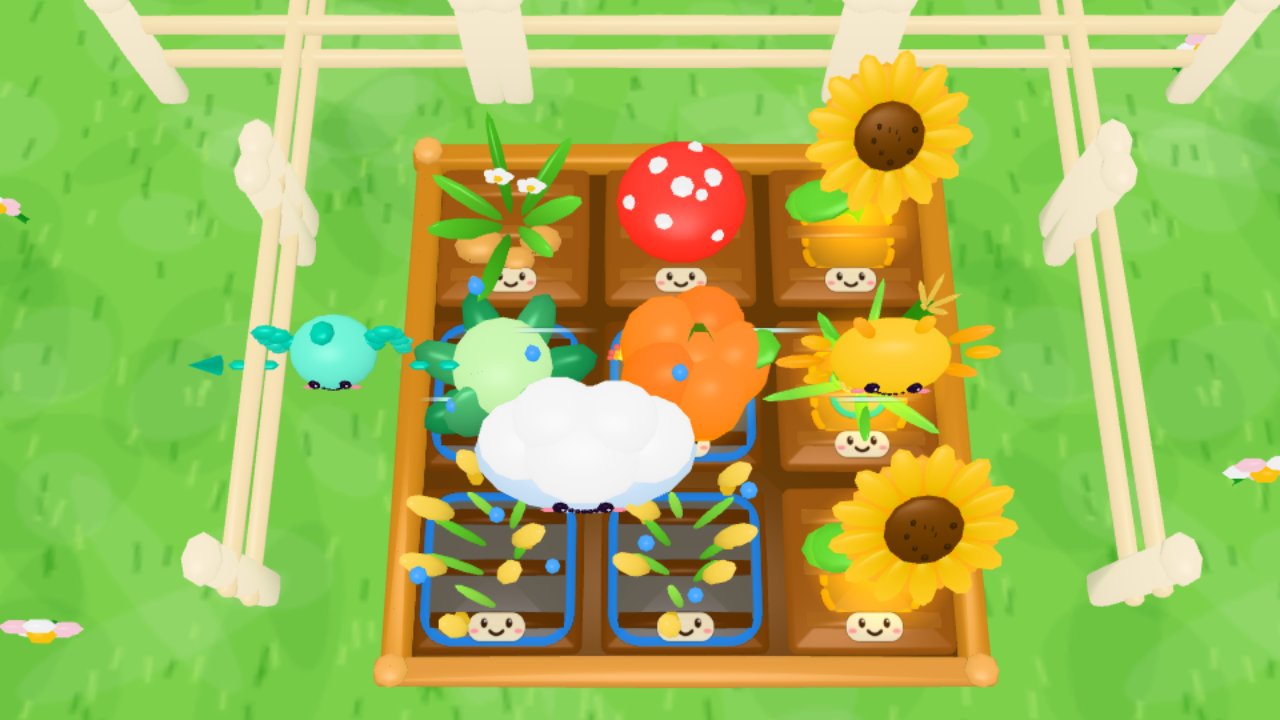
Little Weather Farm
You are the weather. Grow the farm.
-
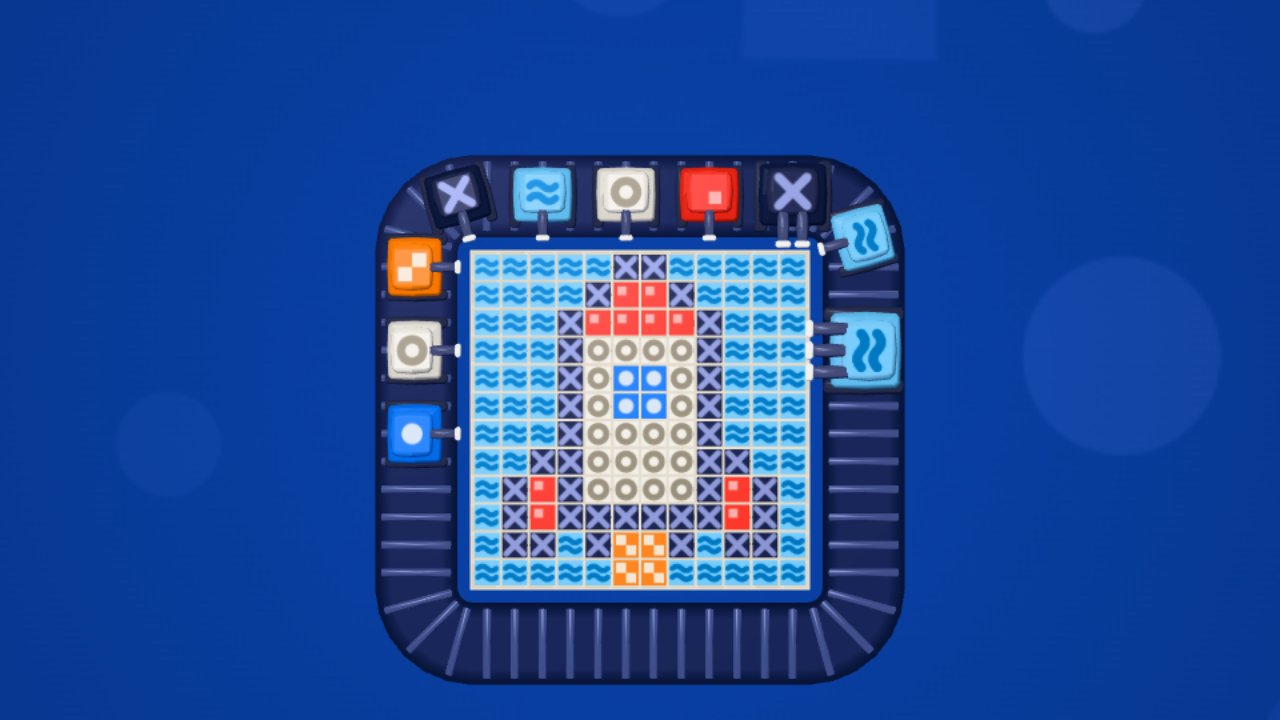
Pixel Belt
Line up the cannons, blast the picture apart
-
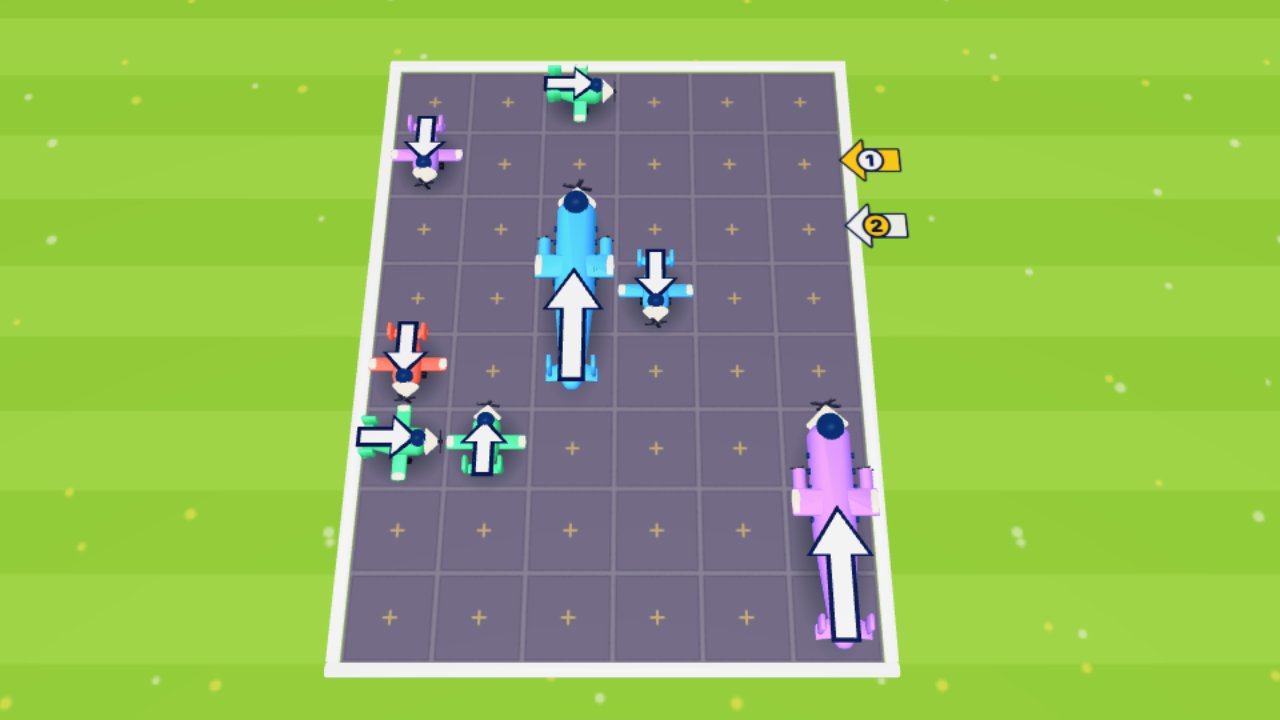
Takeoff Tangle
Tap a plane. Every 3rd takeoff, one lands.
-
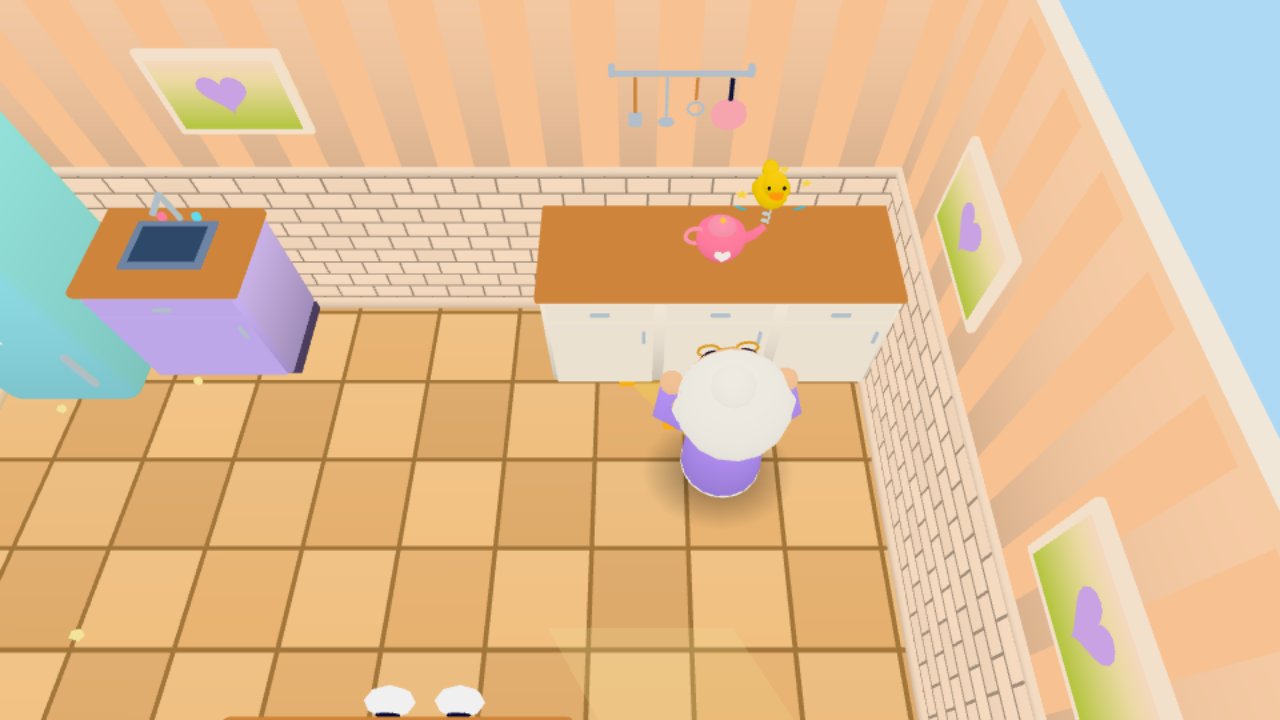
Prank Day
Kind pranks: she never chases, she tidies
-
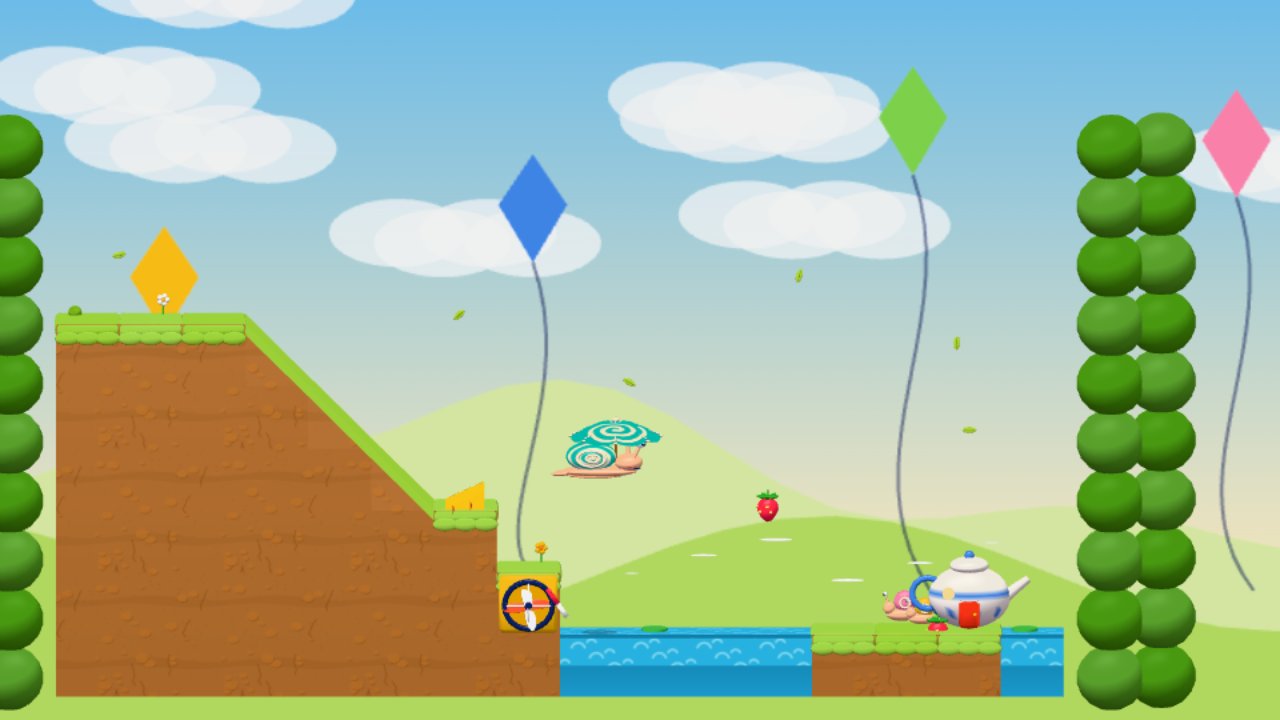
Snail Trip
Turn a shell into a wheel, boat or umbrella
-
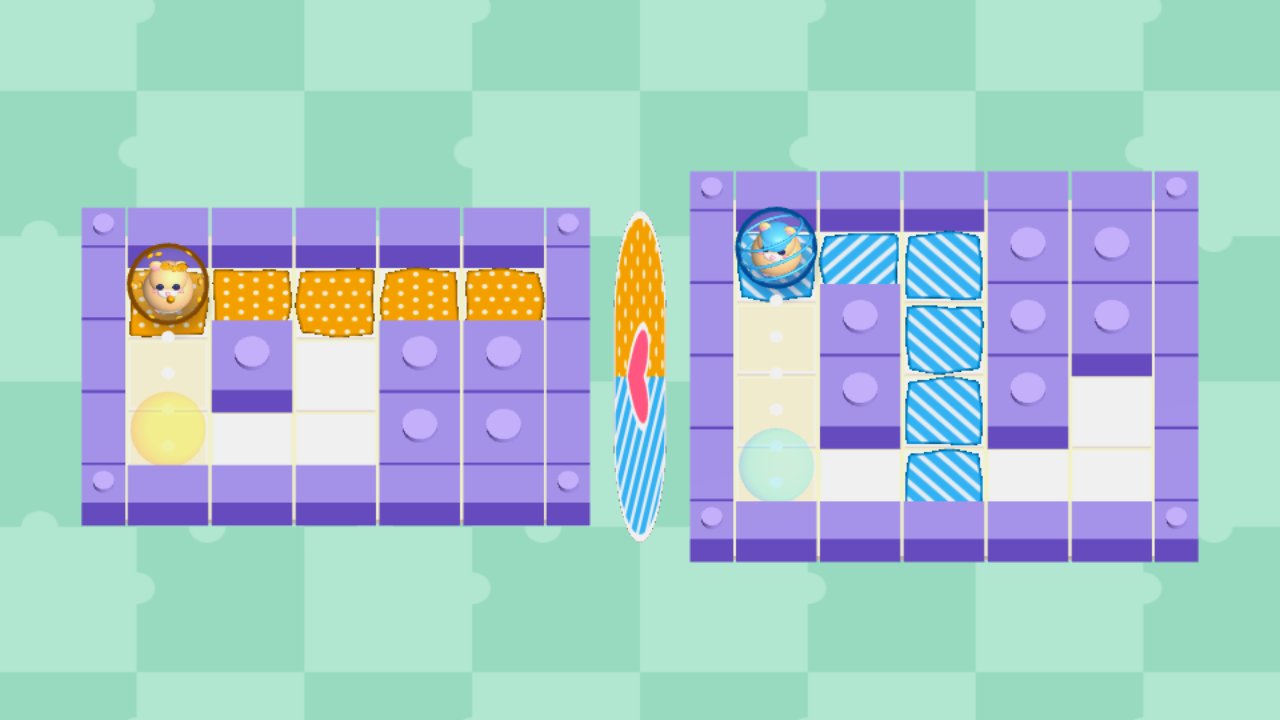
Twin Paint Maze
One swipe rolls both balls. Paint both!
-
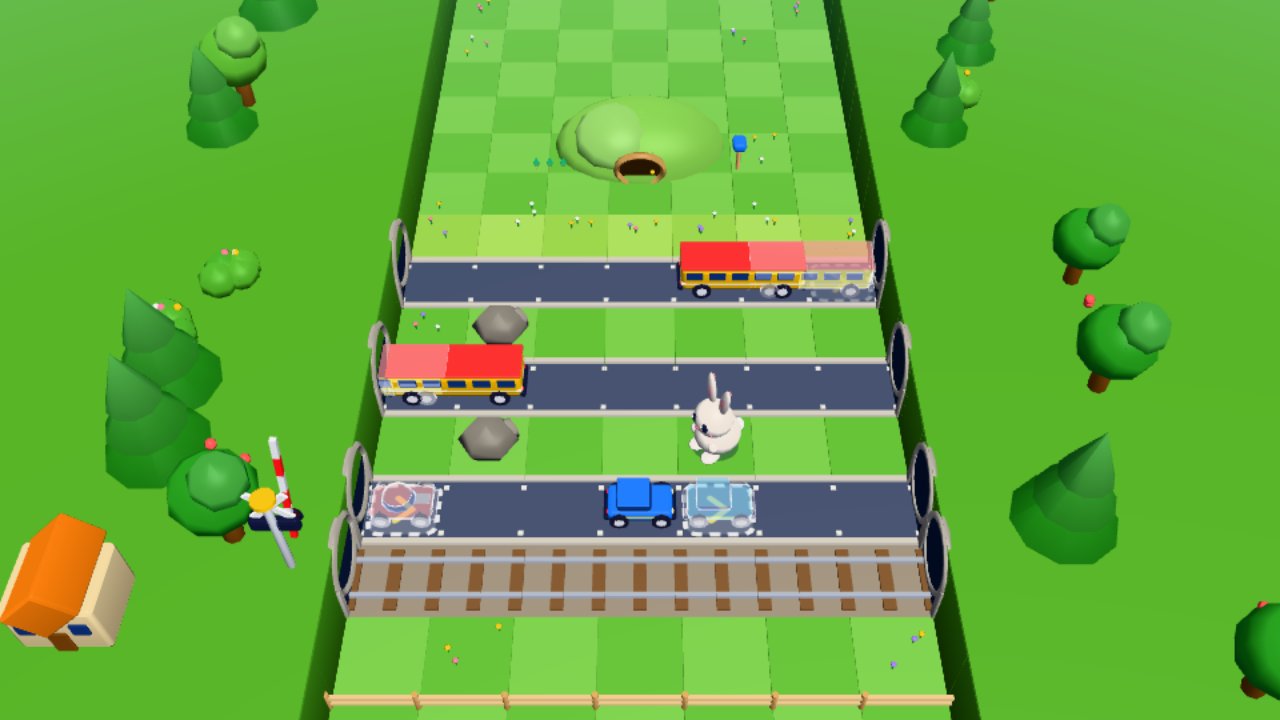
Hoppy Road
Each hop, every car hops too: plan ahead!
-
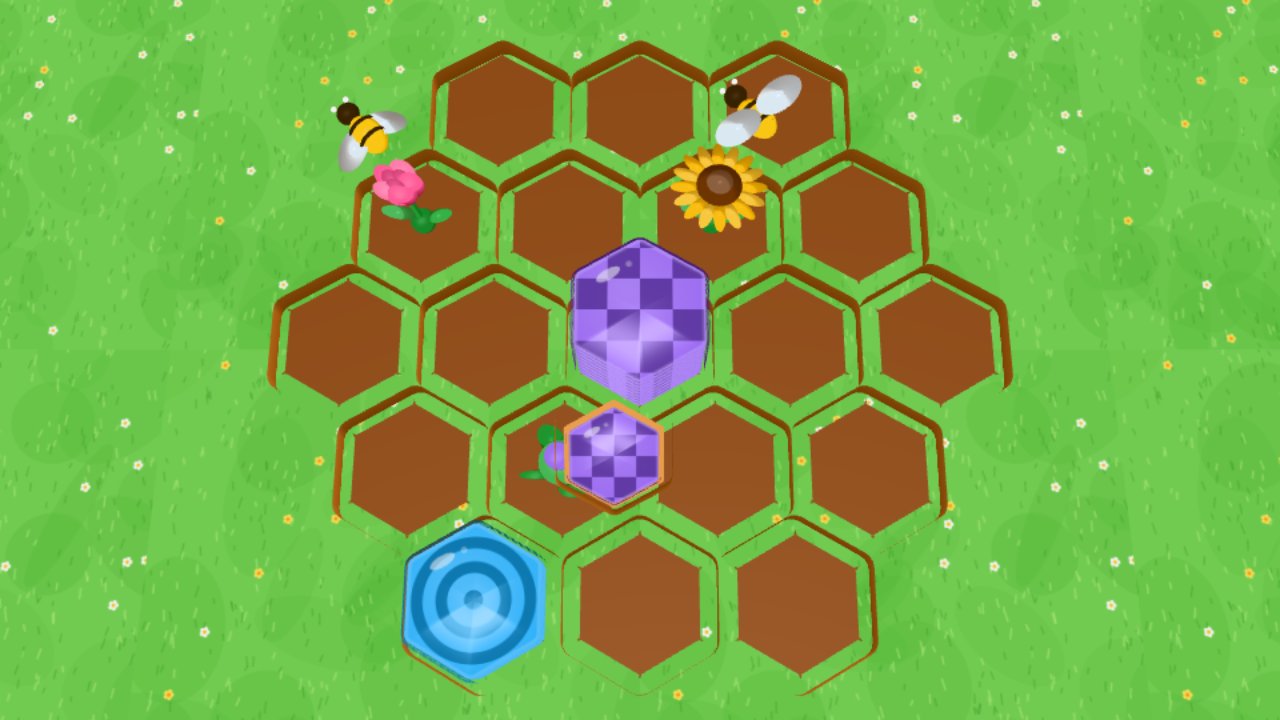
Hex Garden
Match colors, pop stacks, bloom the garden
-
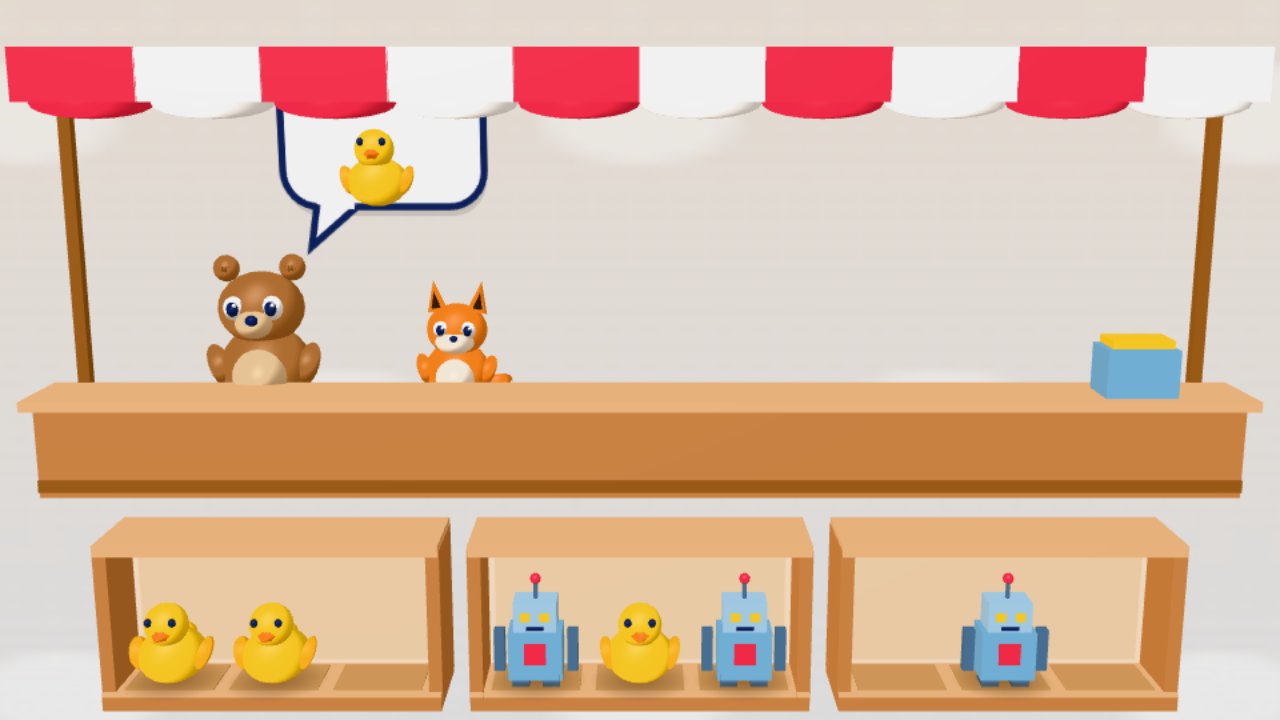
Shelf Pals
Serve the critters the toys they want
-
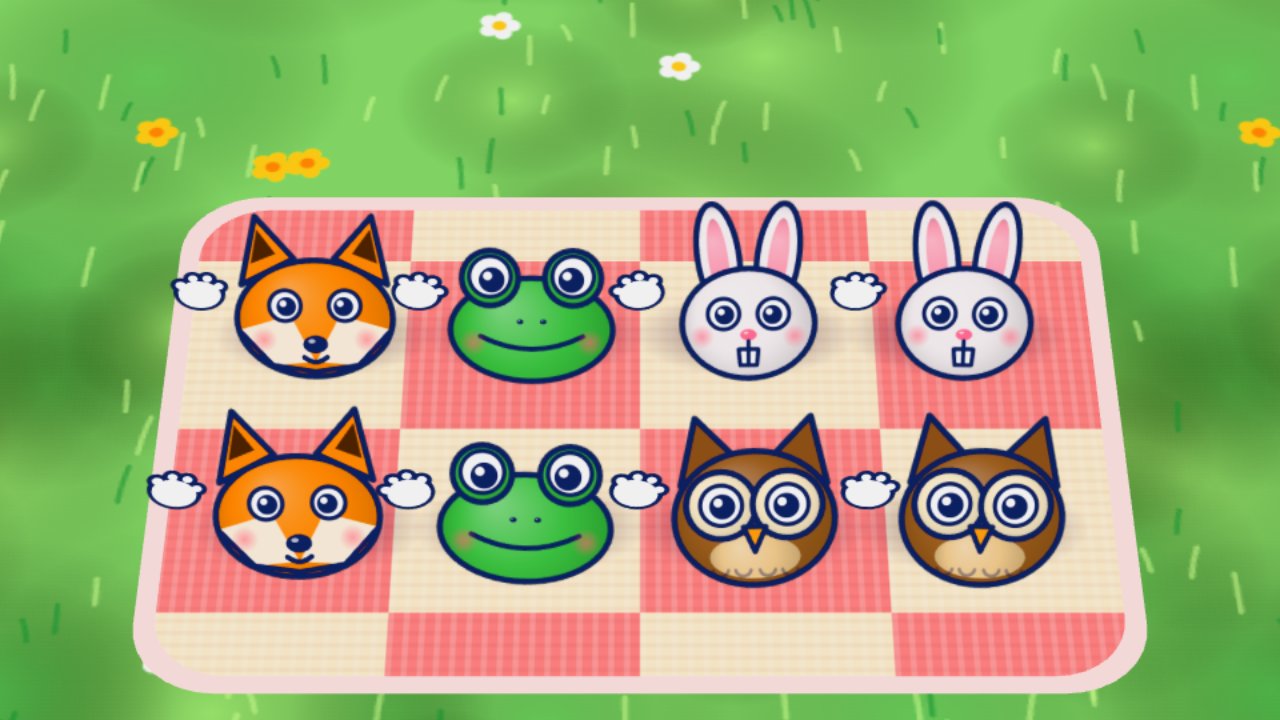
Sneaky Pairs
Find the pairs. The buckets sneak!
-
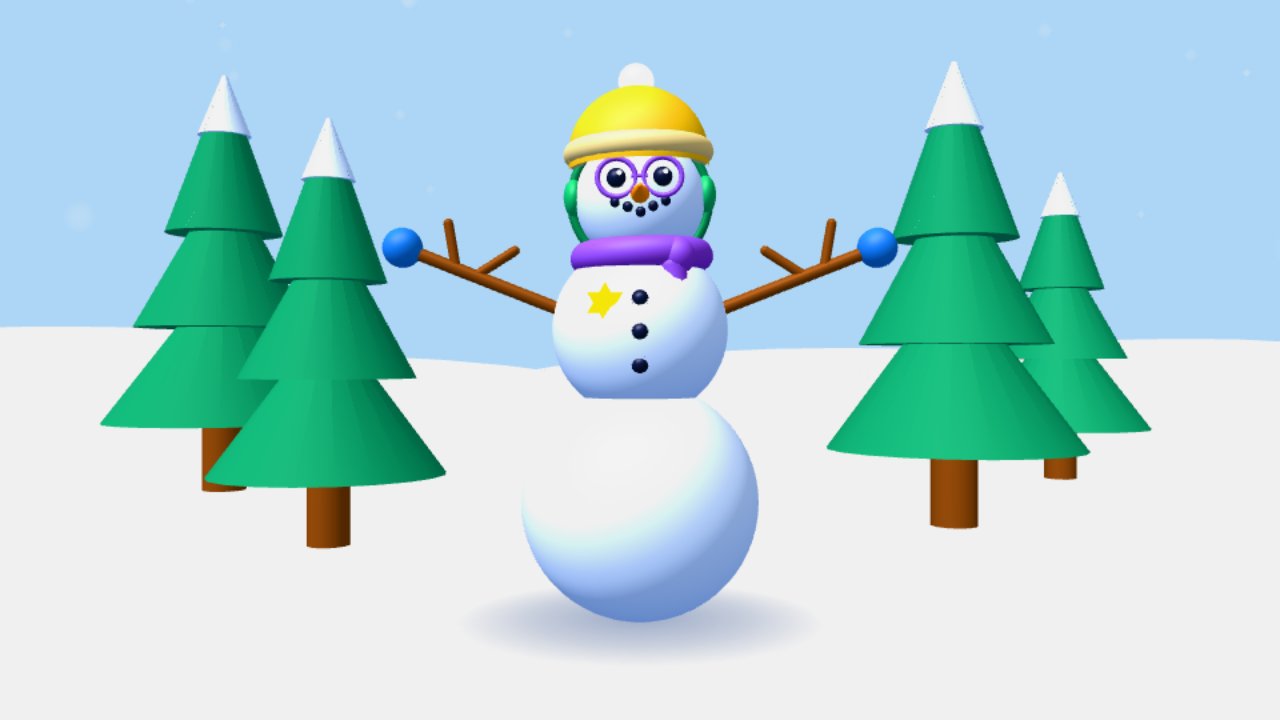
Snowman Spell
Spell the picture, keep the snowman happy
-
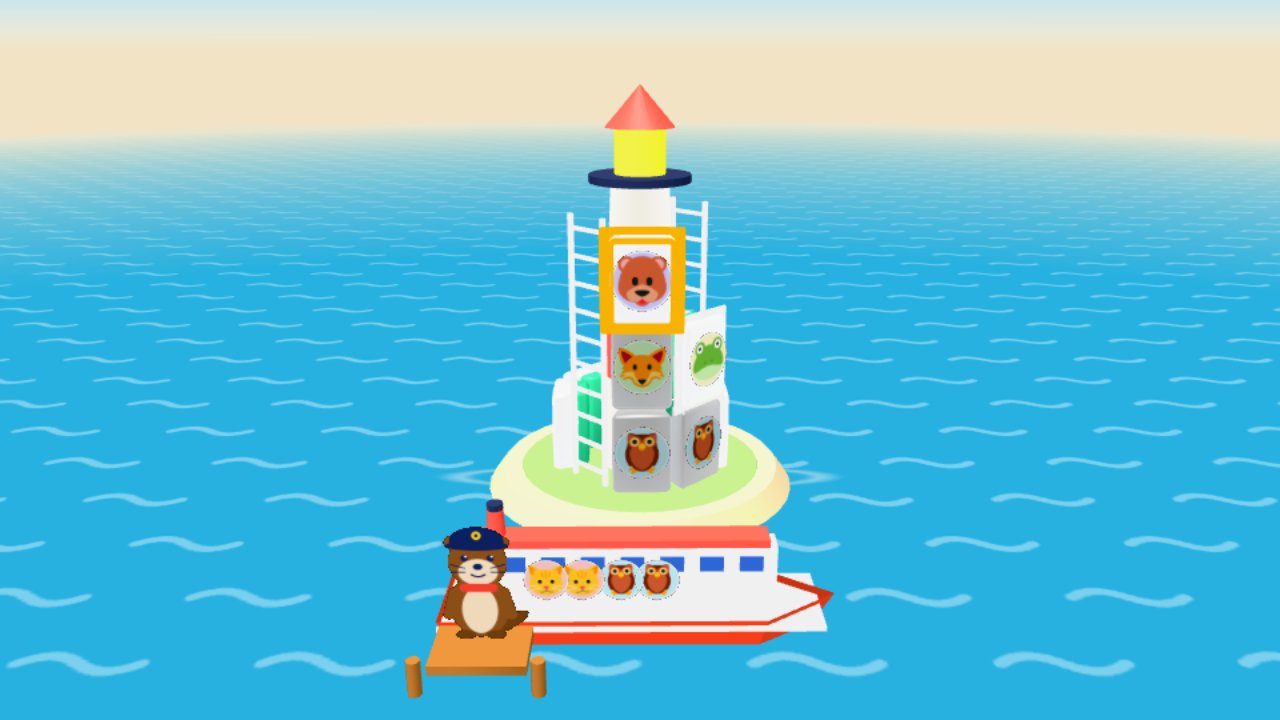
Mahjong Boat
Spin the tower, match the animals
-
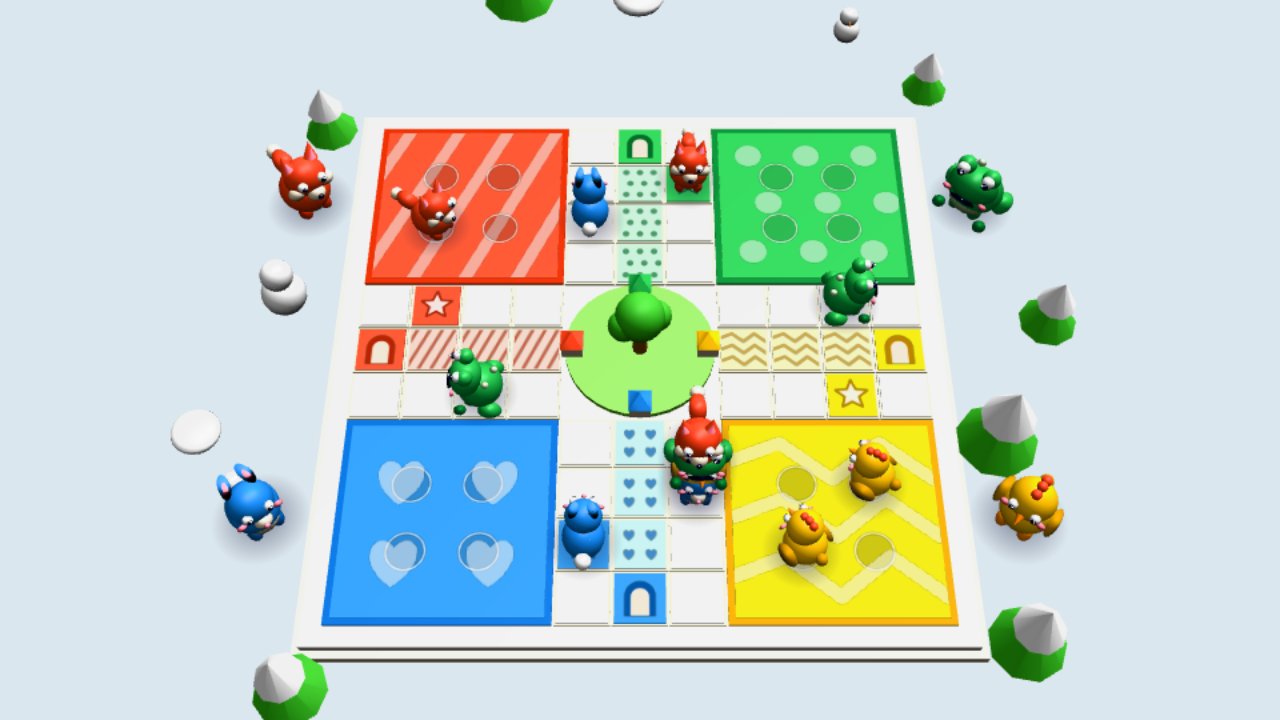
Piggyback Ludo
Land on a friend and ride piggyback
-
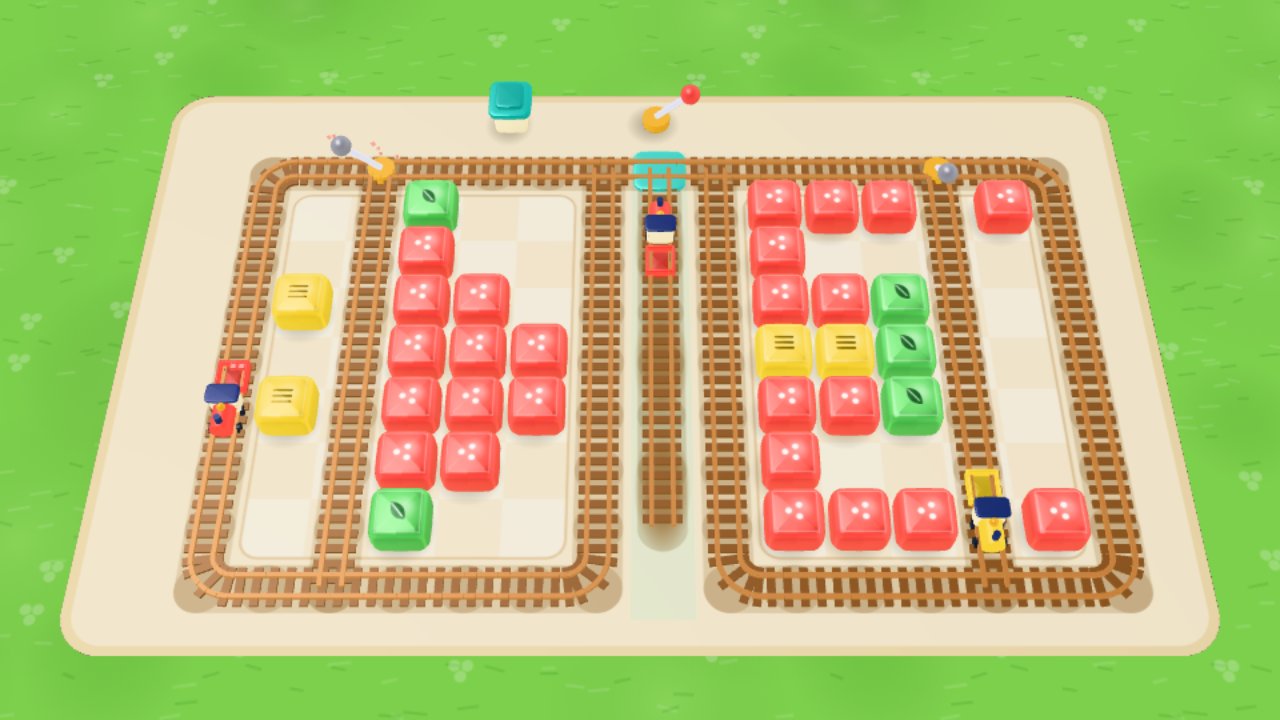
Pixel Train
Send little engines around pixel toys
-
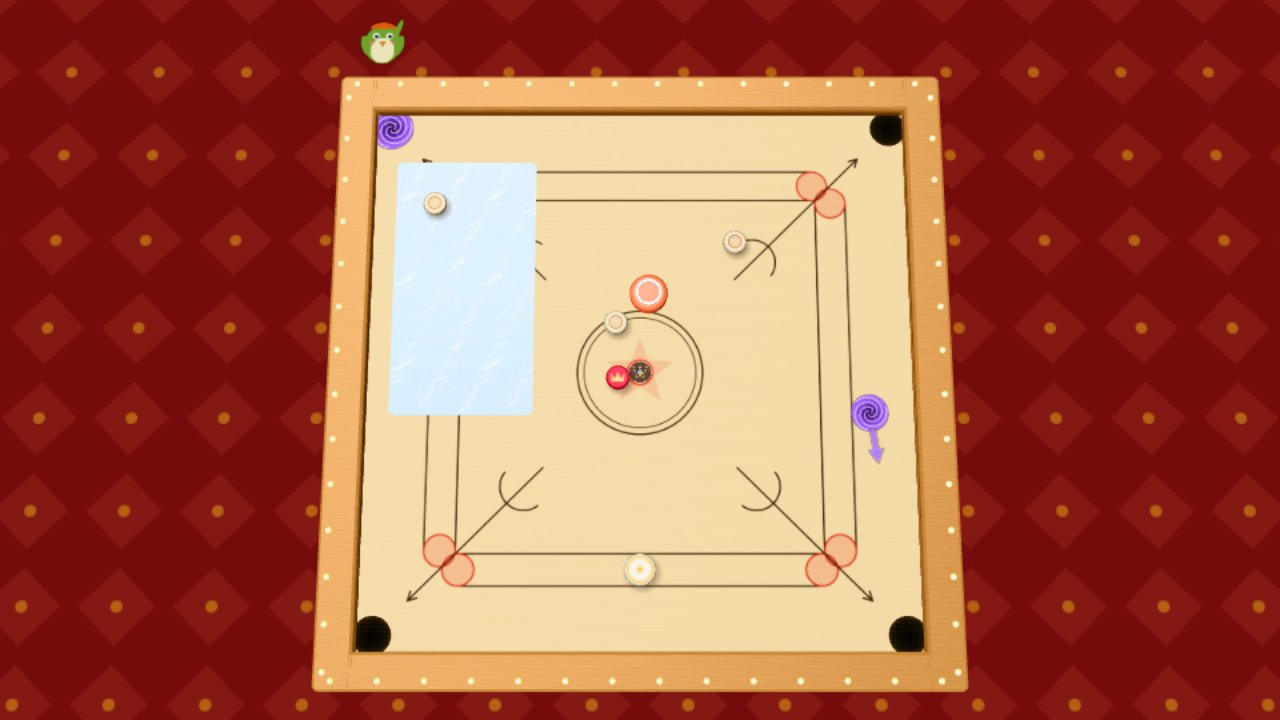
Carrom Trick Board
Pocket every disc in 3 flicks with tricks
-
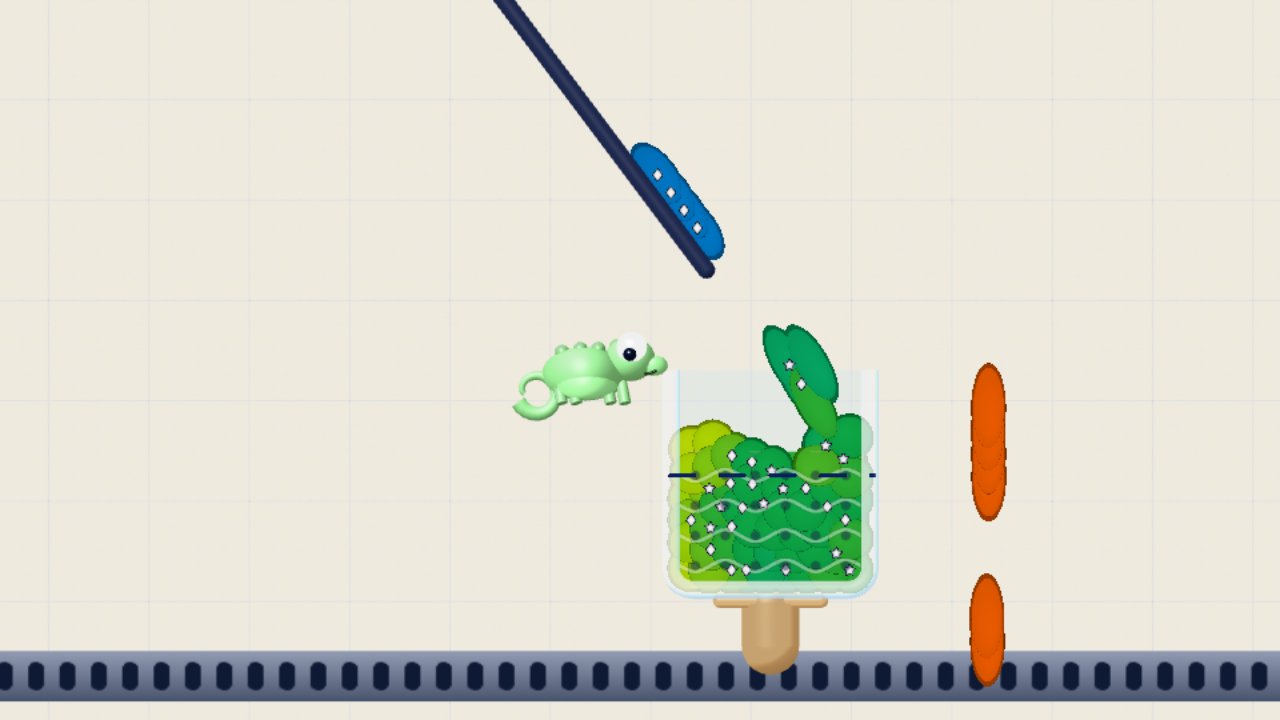
Mix Glass
Draw lines, mix paint, fill the glass!
-
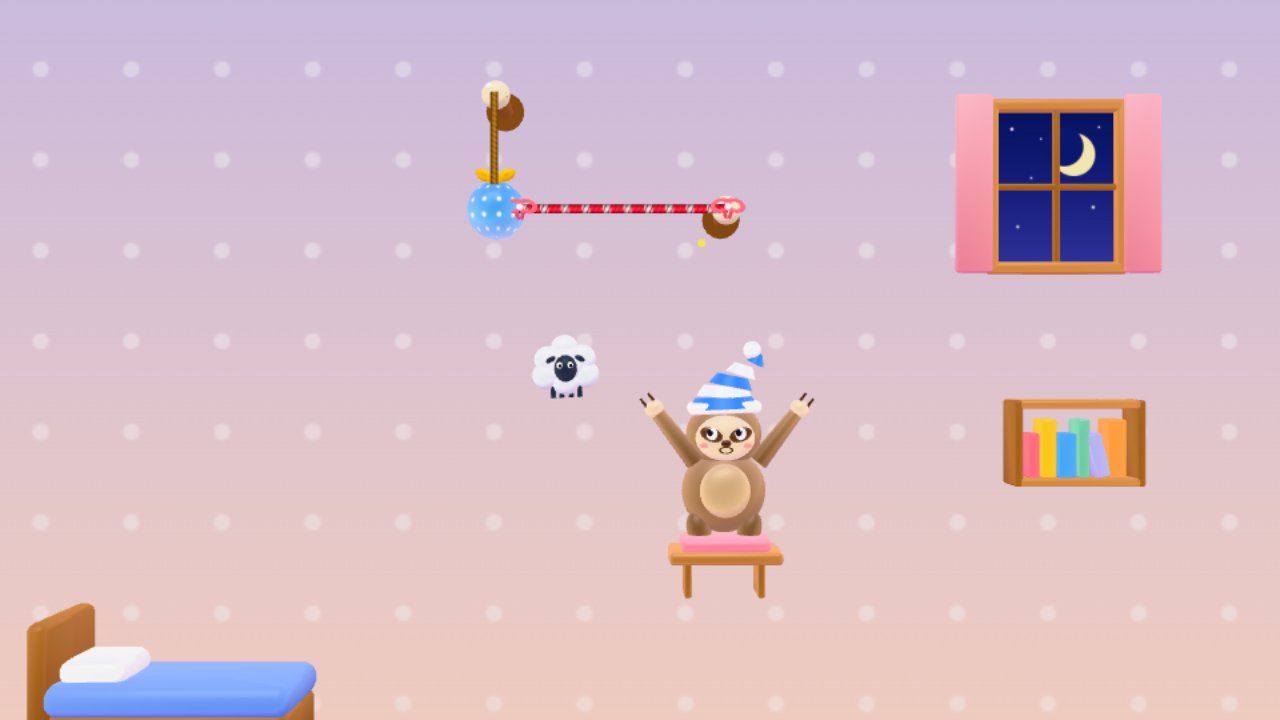
Snip & Tie Rope
Snip ropes, tie new ones, tuck in the sloth
-
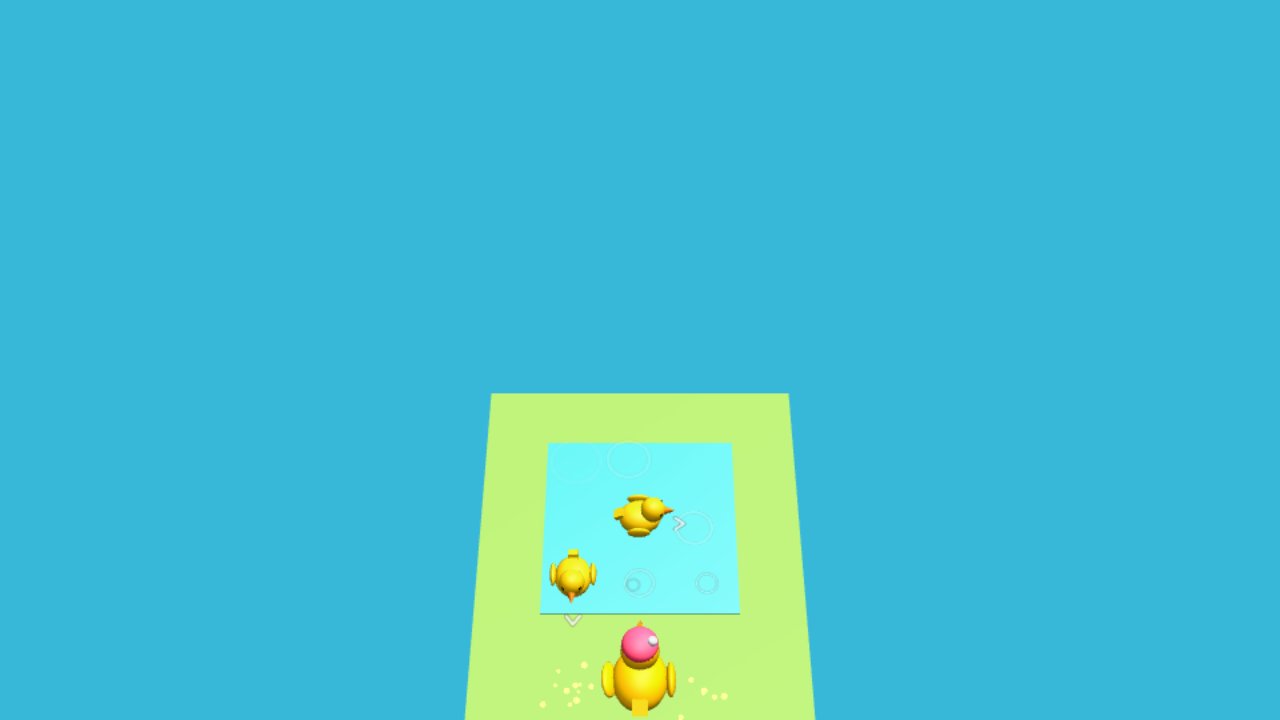
Waddle Out
Guide the ducklings home to Mama
-
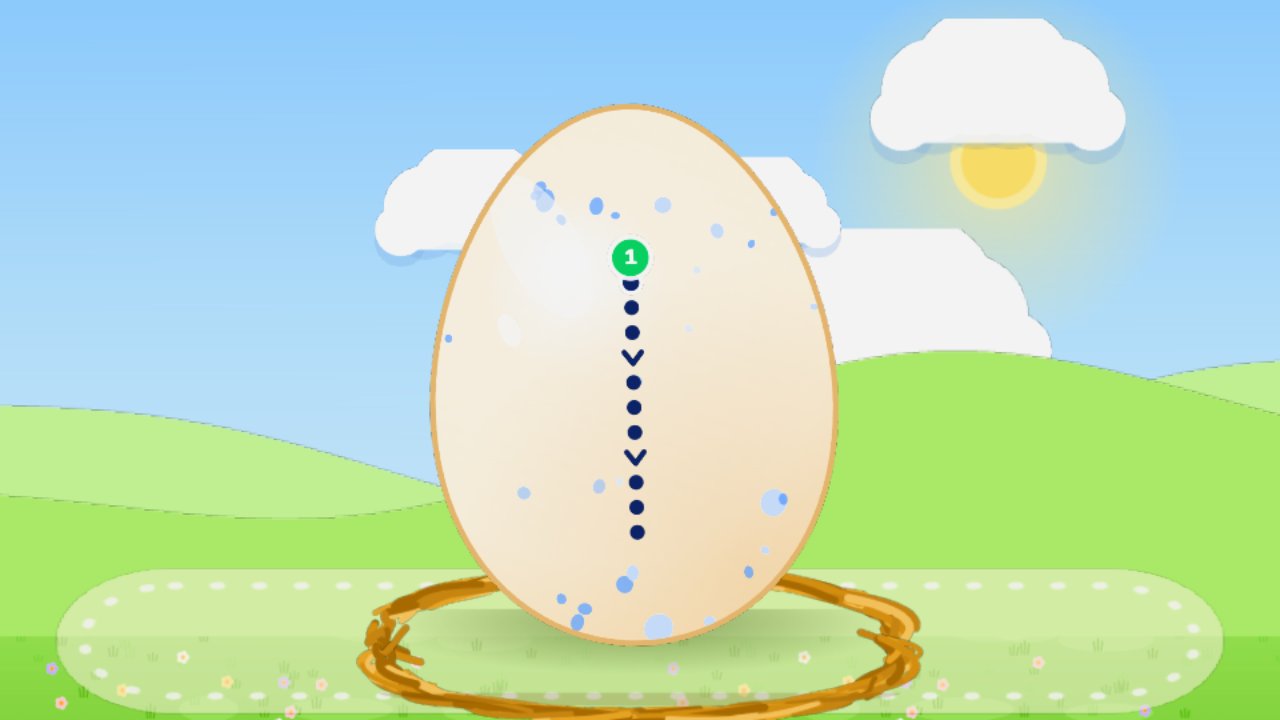
ABC Tracing Eggs
Trace a letter and hatch a friend
-
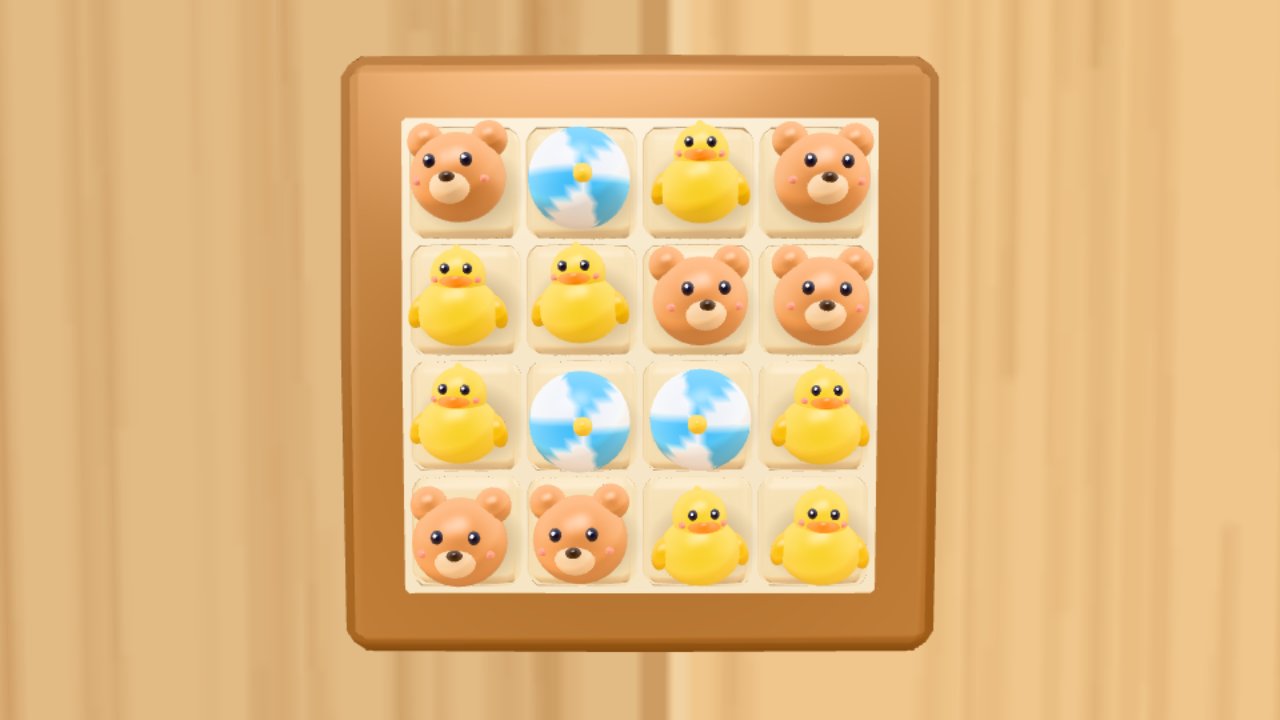
Toy Match Tumble
Match the toys, then choose the tumble!
-
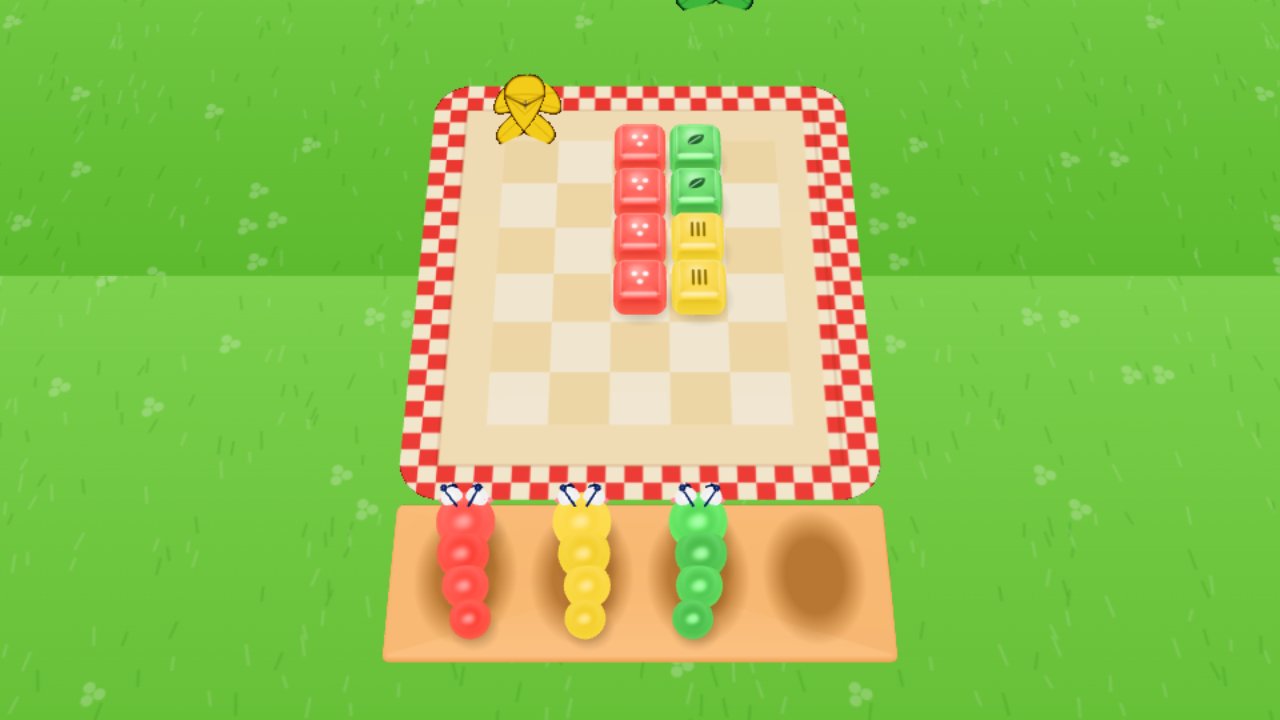
Nibble Bugs
Feed the bugs. Grow. Fly away!
-
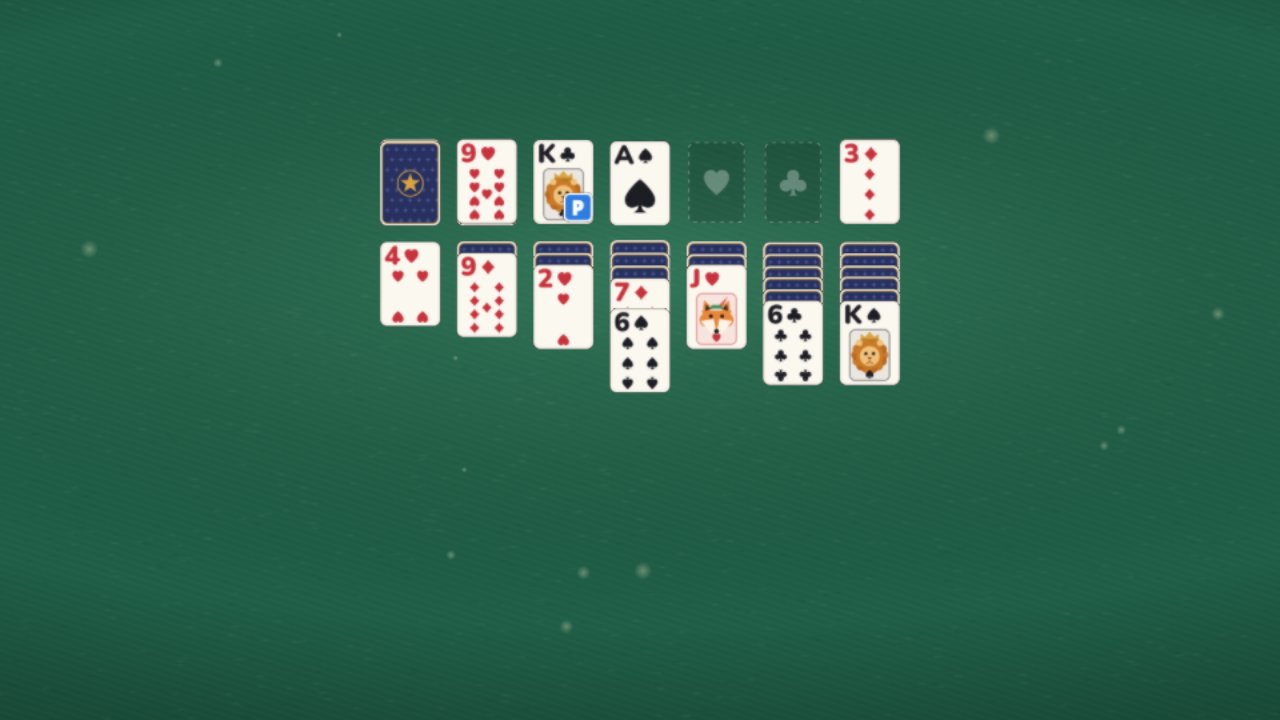
Spare Spot Solitaire
Solitaire with a spare spot to park a card
-
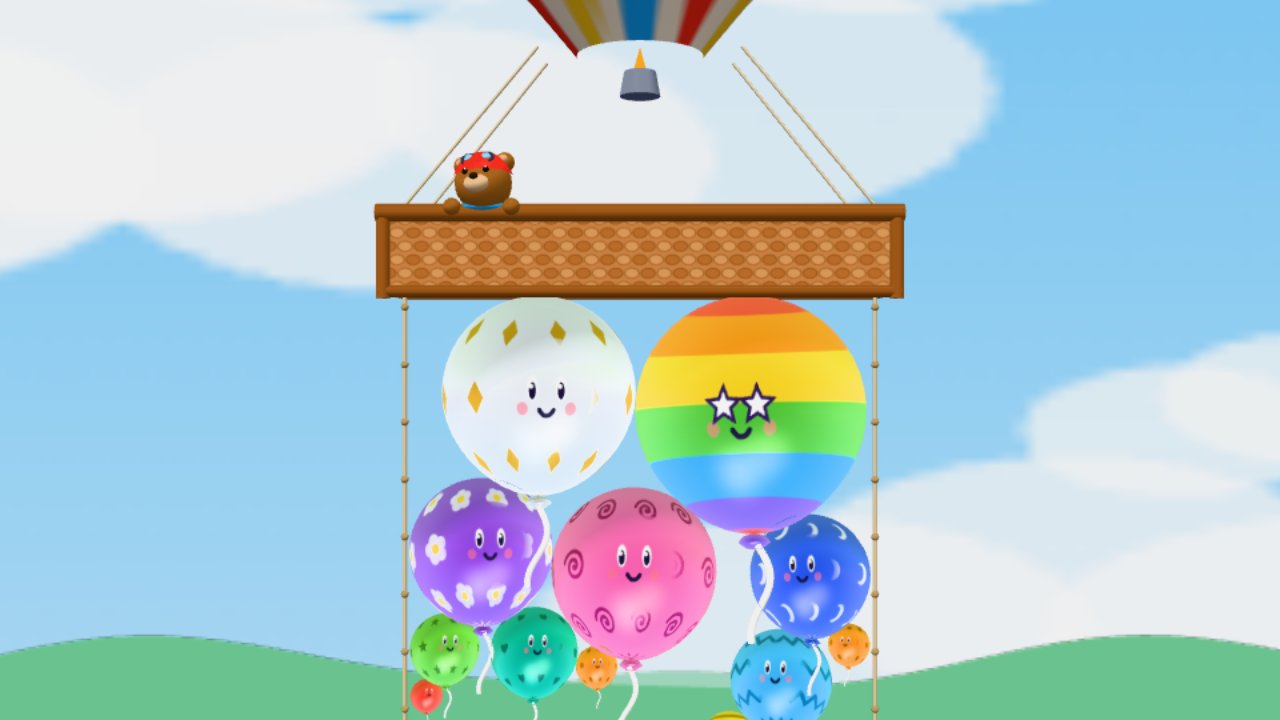
Balloon Merge
Join balloons, make a rainbow, lift off!
-
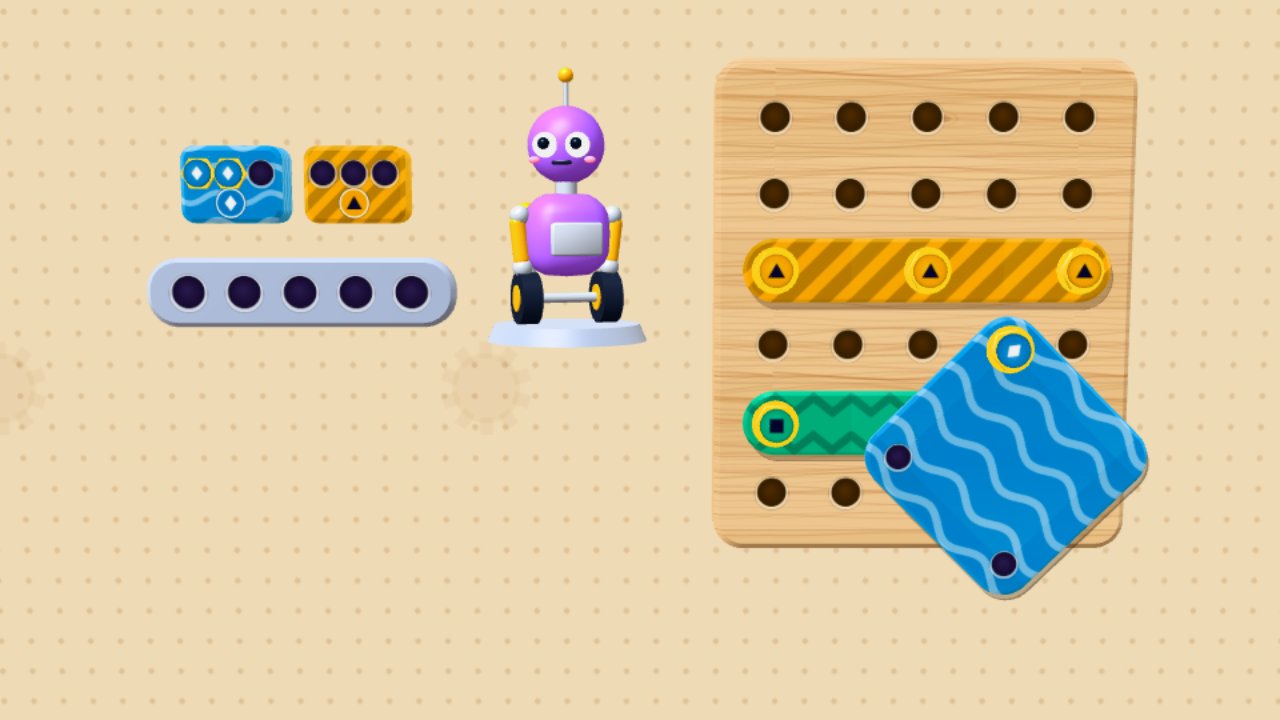
Bolt Drop
Unscrew bolts, build a dancing robot
About Puzzle games
Puzzle games are for thinking. You sort colors, fit shapes where they belong or plan a few moves before you make them. There is no timer pushing you, so you can take your time and work it out.
Puzzles are a friendly way to practice patterns, planning and patience. When you get stuck, many of these games can show a hint, and a wrong move is never the end: you just try again.
What each game practices
- Little Weather Farm (6+): Planning ahead, spatial reasoning (rows, columns and shapes), matching pictures to conditions, patience
- Pixel Belt (6+): Planning ahead, sorting, visual scanning, matching colors and patterns, cause and effect
- Takeoff Tangle (6+): Planning ahead, spatial reasoning (reading directions), cause and effect, and patience.
- Prank Day (6+): Planning ahead and sequencing, timing, cause and effect, spatial reasoning (what she can see and hear), and patience
- Snail Trip (6+): Planning ahead, timing, cause and effect, reading a level before acting, and trying more than one solution
- Twin Paint Maze (5+): Planning ahead, spatial reasoning, cause and effect, and keeping two things in mind at once
- Hoppy Road (5+): Planning ahead, reading patterns and timing in steps, cause and effect, counting cells, and patience
- Hex Garden (5+): Matching colors and patterns, planning ahead, spotting cause and effect, patience, spatial thinking
- Shelf Pals (6+): Planning a few moves ahead, sorting and matching by shape, using free space as working room, patience
- Sneaky Pairs (4+): Visual memory, following moving objects with the eyes, attention, matching, patience
- Snowman Spell (6+): Spelling, vocabulary, listening, letter recognition, English as a second language
- Mahjong Boat (6+): Visual search, spatial reasoning, planning a sequence, mental rotation and patience
- Piggyback Ludo (5+): Counting and number sense, planning ahead, taking turns, reading a board, and cause and effect
- Pixel Train (6+): Counting and adding, sharing a total between two groups, planning a sequence of moves, reading patterns
- Carrom Trick Board (7+): Angles and reflections, estimating force and distance, planning a sequence of moves, cause and effect
- Mix Glass (6+): Color mixing, planning ahead, cause and effect and spatial reasoning
- Snip & Tie Rope (6+): Planning ahead, cause and effect, timing and spatial reasoning (lengths, angles, slopes)
- Waddle Out (5+): Planning the order of moves, reading directions, spatial thinking and patience
- ABC Tracing Eggs (4+): Letter recognition, letter formation, handwriting readiness, fine motor control, phonics, vocabulary
- Toy Match Tumble (6+): Planning ahead, spotting patterns, and thinking one step further than the obvious move
- Nibble Bugs (6+): Planning the order of moves, matching colors and patterns, spatial thinking
- Spare Spot Solitaire (6+): Planning ahead, counting up and down, matching colors and numbers, patience
- Balloon Merge (6+): Planning ahead, spatial thinking, sorting by size, cause and effect, patience
- Bolt Drop (8+): Planning ahead, sorting by color and shape, cause and effect with simple physics
Are puzzle games good for learning?
They can be. Sorting, matching and planning ahead are real thinking skills, and they feel like play. The Parents page has more about what kids can practice.
What if a level is too hard?
Take a break and come back, or use the hint if the game has one. Some games also have a gentler Kids Mode with extra help.
Is there a time limit?
Not in most puzzles. Take as long as you like.